Introduction to Family Retreats
Welcome to an invitation to retreat as a family. Often in our lives, we get busy with work, school, friends, and the challenges of living cross-culturally. Many families have different rhythms of connecting to God and each other. These may include worship, prayer, devotions, and more, both as a family and as individuals. On your Retreat Day, we invite you to continue the practices or rhythms you already use or try some of the ones below. We encourage you to find time today to connect one on one with each other. You may do one of these activities together and talk about the experience after. Make sure there is time for each parent and each sibling to connect one on one. Feel free to adapt activities to make them appropriate for the different ages of your children.
Try to include these key elements in your family retreat:
- Plan: Take time to plan what your day will look like. You can use the elements below or anything from this guide.
- Ponder: Dig into some of the activities outlined below and think or do something new and different. Be sure to talk about each activity or experience after to hear what each person learned. You can invite the whole family into planning.
- Pause: Unplug from technology and the “outside world” for the day (except for having this guide). Maybe just have 30 minutes where everyone is quiet and writing down everything they observe (internally and externally).
- Pray: Spend time individually and together praying as a family.
- Play: Give yourself ample time to play games or enjoy the outdoors during the retreat.
- Praise: Play worship music, sing, dance or be creative with expressions of worship.
Your counselor or Primary Care provider will help you choose which activities are the best fit for your family. After the retreat, think about what elements you need to incorporate into your normal family’s rhythms.
Table of Contents
Family Check In’s
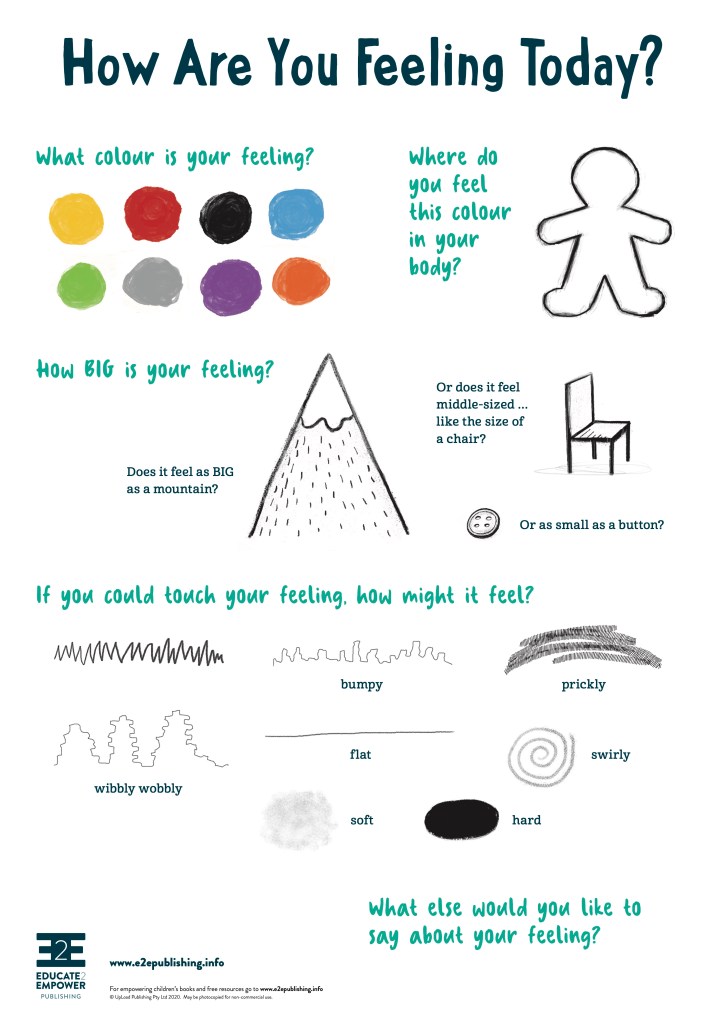
Bigger and Better
This is a gratefulness activity you can do as a family while walking, driving, or sitting around the living room. Take turns with each person to find something tangible they are grateful for. For example, “I am grateful for this pencil”. Then each family member takes turns adding to the object something they are thankful for about it. Like, “I am thankful for the trees that make the wood” or “I am thankful for the poems I get to write with it”. When everyone has gone, or there are no more things, someone can offer a prayer of thankfulness and go on to the next family member.
Family Examination of the Day:
(Do this at the end of each day)
- Preparation: Light a candle or do something to remind each other of God’s presence “with and among us”.
- Invitation: Psalm 121: A song for pilgrims ascending to Jerusalem.
Together
1. I look up to the mountains — does my help come from there?
- Starting with father and rotating to the right, read 1 verse each:
2 My help comes from the Lord,
who made heaven and earth!
3 He will not let you stumble;
the one who watches over you will not slumber.
4 Indeed, he who watches over Israel
never slumbers or sleeps.
5 The Lord himself watches over you!
The Lord stands beside you as your protective shade.
6 The sun will not harm you by day,
nor the moon at night.
7 The Lord keeps you from all harm
and watches over your life.
Together
8 The Lord keeps watch over you as you come and go, both now and forever.
- Connection:
- Each family member shares a high and a low from the day.
- Family Response after each person: “Amen, Lord have mercy.”
- Prayer of Anchoring: Together after the last person has shared:
“Lord, to whom would we go?
You have the words that give eternal life.
We believe and have come to know
that You are the Holy One of God”
John 6: 68
- Direction: Share one hope for tomorrow.
- Blessing:
(Together)
May the peace of the Lord Christ go with you
Wherever He may send you.
May He guide you through the wilderness,
Protect you through the storm.
May He bring you home rejoicing
at the wonders he has shown you.
May He bring you home rejoicing,
Once again into our doors
In the name of the Father, the Son and the Holy Spirit,
Amen
- Alternate Blessing: Sing Doxology
Praise God to whom all blessings flow
Praise Him all creatures here below
Praise Him above the heavenly host
Praise Father, Son and Holy Ghost
Amen
Grieving as a Family
Lamenting at the Beach
Step 1 Introduction
Parent or Teen, read the following:
In our lives as cross cultural workers we feel and experience loss. Loss of safety, loss of relationships, loss of homes, loss of access to grandparents and “normal” kid or teen experiences. In fact, there are so many losses we experience during this journey. Today we are going to create space to come face to face with our losses. In each step of this activity remember these things;
- Go at your own pace, you can do this together as a family or separately and debrief later.
- It is not a race to be done first or last, allow time to open to the Lord and process with Him along the way.
- Take time to use our senses to engage with our losses and grief.
- Take time to continue conversations with the Lord and each member of your family.
One of the parents prays for this time of grieving our losses.
A parent read the following:
In a moment we are all going to walk to a separate place where you can be comfortable for a few minutes. Once settled, take a few moments to look out at the sea. Breathe in deeply. Ask Jesus to be with you as we take time to think about all the things we have lost. You may want to have a piece of paper or a notebook to write or draw some of the following prompts. For this first part, you have two questions to think about.
- First, how am I feeling about engaging with my losses?
- Second, what are some of the losses I have experienced? Feel free to write these down or draw something that represents each of them.
Once everyone is done choose a place or a person to meet back up with. Be sure to wait until everyone is together to go to step two.
Step 2: A Lament
A parent read the following (make sure both parents are participating):
One positive way to deal with the hard things that go on in our lives is to create a “lament.” A lament is a way of expressing our pain to God when we feel bad. It might be done in words, in music, in dance or any other form of creative expression. A lament helps us expose all the stuff that we have tried to hide and share it with God. This is a good way to start telling your story and releasing painful memories. As it becomes more comfortable for you, share it privately with God. Creating a lament can lead to sharing your story with another person when you are ready. Today you will have a chance to choose objects that represent your losses and try giving them to God. Here is an example of David’s Laments.
A parent or child/teen read the following:
O Lord, how long will you forget me? Forever?
How long will you look the other way?
How long must I struggle with anguish in my soul,
with sorrow in my heart every day?
How long will my enemy have the upper hand?
Turn and answer me, O Lord my God!
Restore the sparkle to my eyes, or I will die.
Don’t let my enemies gloat, saying, “We have defeated him!”
Don’t let them rejoice at my downfall.
But I trust in your unfailing love.
I will rejoice because you have rescued me.
I will sing to the Lord
because he is good to me.
Discuss as a family the following questions:
- What kind of words is David using in this lament?
- What emotions might he be feeling as he tells God his sorrows?
- As you consider your items/losses (you don’t have to share them with anyone but God if you don’t want to), what is the cry of your heart?
- How does your heart feel as you remember this(these) loss(es)?
- How does this loss affect your relationships with others?
- Where do you experience this grief/loss in your physical body?
Step 3: Finding Objects
A parent read the following:
Now you will walk along the beach to find objects that represent the losses you have thought about or written down.
- Walk along the beach as you consider the losses you have experienced.
- Ask for the Spirit’s help to identify a few losses that you are carrying in your heart.
- Pick up something along the way that represents each loss (shell, stone, sand..).
- Continue walking or sit and ponder the reflection questions.
- When you feel like you have all of the objects you want find a sibling or parent and take turns praying over the objects in your hand. You don’t have to share what they represent if you don’t want to. Choose a person or a place to gather after everyone has prayed.
Step 4: Releasing the losses
A parent pray over the losses the following:
For David when he used a lament (there are over 40 in the Bible) he would often release his sorrow to God. That is what we are going to do now.
Next as a family, we are going to carry all our losses, represented by these objects, to the edge of the water. I want you to take time with each object to notice what it looks and feels like and the loss it represents. Then look at the water and imagine that it represents the vastness of who God is – so much greater and bigger and deeper than we can even realize. When you are ready, walk as far into the water as you want and give the items one at a time to God. You may need to say a little prayer for each one and some may make you more sad than others. That’s ok, we see in the Bible that even Jesus cried when he was sad about his friend dying. This doesn’t mean we will forget who or what these losses are or the pain we feel but it is a reminder that God can hold both us and our losses all at the same time. Now, let’s go to the water and let God hold all of these things.
Step 5: A Statement of Trust and debrief
A parent read the following:
After coming back from the edge of the water, gather together in a place without too many distractions. You may be on the beach or nearby but make sure you do this step. Talk about these discussion questions:
[Parent note, don’t read out loud: remember there is no right or wrong aspect to this activity. Simply affirm and notice whatever is shared with an empathetic response, like, that is a hard loss, thank you for sharing. Be sure as parents to share in an age-appropriate way what your losses are and what it was like for you since that will normalize the experience.]
- How was this experience for you?
- What was most difficult?
- What was it like to drop your losses into the sea?
- Would anyone like to share what their losses were?
Often when David wrote a lament he would end with a statement of trust in God like this one from earlier:
But I trust in your unfailing love.
I will rejoice because you have rescued me.
I will sing to the Lord
because he is good to me.
Would anyone like to offer a prayer or share any statements of trust in God? When the time is finished one of the parents prays over each child or teen out loud and allows a child or teen to also pray over the parents.
Creating a Lament
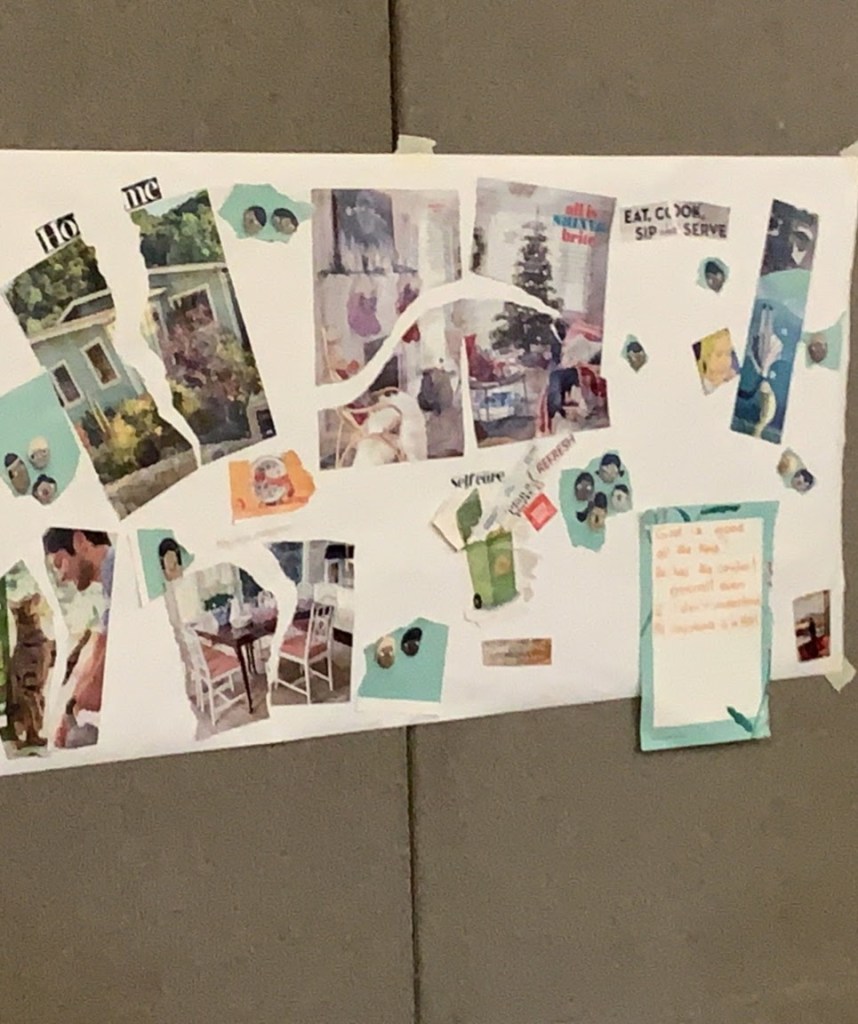
One positive way to cope with the difficult things in our lives is to create a “lament.” A lament is a way of expressing our pain to God when we feel bad. It might be expressed in words, music, dance, or any other form of creative expression.
A lament helps us expose all the stuff that we have tried to hide and share it with God. This is a good way to start telling your story and releasing painful memories. As it becomes more comfortable for you to share it privately with God, creating a lament can lead to sharing your story with another person when you are ready.
There are many examples of laments in the Bible. Trauma after trauma happened to the nation of Israel as a community (wars, captivity, displacement, famines) as well as to individuals (abuse, abandonment, war, murder). Many of them found comfort in bringing their pain to God. They had an honest way of speaking to God where they poured out their complaints to him, sometimes even as they declared their trust in him. There are over 40 laments in the book of Psalms (making it the most common type of psalm). Laments have the elements below in them but they must have a complaint to be a lament. It is helpful to also have a review of God’s faithfulness and a vow of trust in God.
Parts of a Lament
- Address to God.
- Review of God’s faithfulness in the past.
- Complaint. (must have this)
- Confession of sin / Claim of innocence.
- Request for help
- God’s response.
- Vow to praise / statement of trust in God.
Examples Psalms 142, Habakkuk 3:17-18, Psalms 130, Psalms 13. Here is Psalm 13 and the parts of a lament in it. This might help you in creating your own.
1. How much longer will you forget me, Lord? Forever? How much longer will you hide yourself from me? 2. How long must I endure trouble? How long will sorrow fill my heart day and night? How long will my enemies triumph over me? 3. Look at me, O Lord my God, and answer me. Restore my strength; don’t let me die. 4. Don’t let my enemies say, “We have defeated him.” Don’t let them gloat over my downfall. 5. I rely on your constant love; I will be glad, because you will rescue me. 6. I will sing to you, O Lord, because you have been good to me.
Vs 1-2 Address to God and Complaint Vs 3-4 Request, Vs 5a Statement of Trust, Vs 5b-6- Vow to Praise
Take some time to write or create a lament to God. Read Psalm 13 if you need help, or think of what questions you would like to ask God about the difficult things in your life. Your lament could be a song, rap, poem, prayer, or any creative way you wish to express your inner feelings to God. It does not have to include all five parts of a lament listed above.
Transitions
Building a RAFT
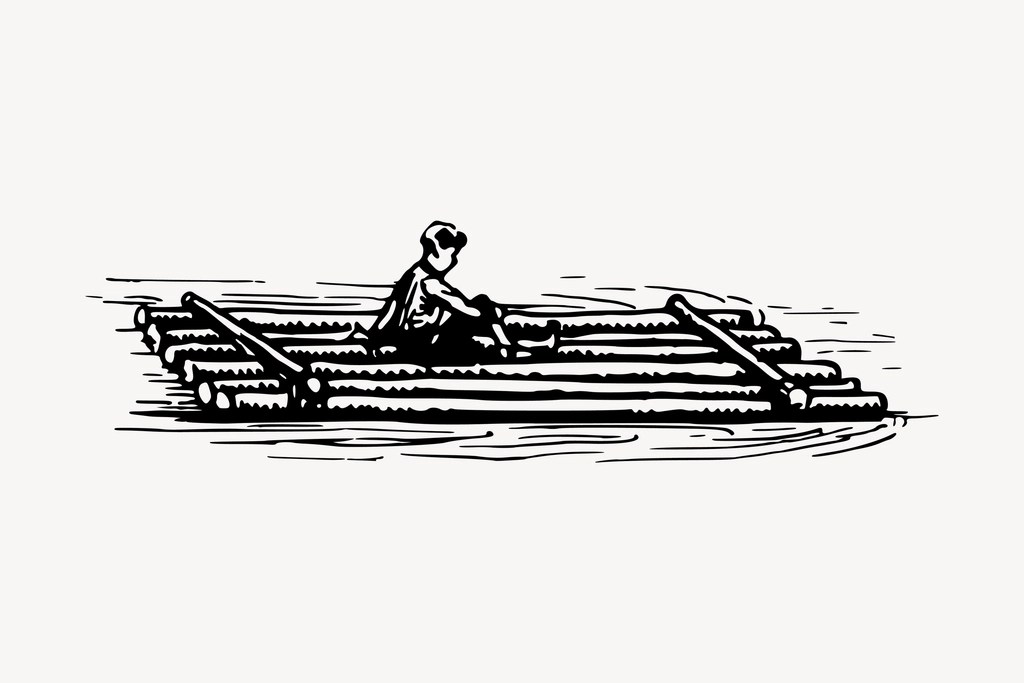
A R.A.F.T. enables us to leave each other well, without regrets. It is an acrostic denoting a pre-departure process which was originally introduced by David C. Pollock and Ruth E. Van Reken in their enlightening book Third Culture Kids. We highly recommend this book for families with children who have experienced life in cross-cultural settings, as well as for adults who grew up overseas.
This is a great activity to do especially if you have a transition coming up in the future. It is an acronym that reminds us of good steps to do with the people around us including our family members. If the weather is nice and you are already on the beach you can search the beach for items you can build a small raft with as a way of talking about this. Often water bottles or jugs can be used as well as items. Each person can draw or create their own raft before talking about the points below.
RECONCILIATION-
Begin building your R.A.F.T. by asking yourself:
- Do any of my relationships need mending?
- Is there any unfinished business between me and someone I’m in relationship or friendship with?
This is the time to give and receive forgiveness. Bitterness and regret stemming from lack of closure and resolution inhibit good grief and adjustment to a new location. By God’s grace, seek to mend your fences! Is there a family member you need to say you are sorry to or ask forgiveness from? You can write their name on your drawing or take this time now to do that (parents included).
AFFIRMATION-
Now is the time to thank the people who have been involved in your life:
- Affirm the relationships you have made and what they have meant to you.
- Take the time to tell people what you have learned from them and how grateful you are for them.
Try to leave as little unsaid as possible when you leave a place.
FAREWELLS-
Say good-byes to people, places, pets and possessions that have mattered to you:
- Take lots of pictures.
- Take the time to say culturally appropriate goodbyes. Some cultures require a lengthy departure process.
Particularly difficult farewells can potentially be the ones that are generally rushed or put off because of their difficult emotional dynamics. Plan ahead in order to give the farewell its due.
THINK DESTINATION-
Think and dream about where you are going and what it will be like:
- Be very honest about the expectations you have for the people and situations that you are going to. Be honest with yourself about how you feel about this transition.
- Think ahead to what scares you or excites you about where you are going. Research the realities of your destination.
- If at all possible, put concrete plans in place.
Don’t Have, Do Have

How is your life different now than it used to be before these hard times? Change can be hard, and many changes all at the same time can be very hard. It is normal to feel sad, worried, angry, or afraid when a lot of things change, and especially when they change for the worse.
Maybe these changes have made us lose things, relationships, or freedoms we were used to having before the crisis. It is good to talk about what we have lost and how we feel about that.
- Give each member of the family a small stack of sticky notes (or small pieces of paper and tape).
- On each sticky note, write one thing you like to do, something you enjoy having, or a person you love to be with (young children can draw pictures).
- Find a window or a place on a wall that you can stick these notes to.
- When everybody is finished, have each person share what they wrote on their sticky notes.
- Now look at your sticky notes and find any things you no longer have, can no longer do, and people you can no longer physically be with because of your current situation. Put those sticky notes in a separate group on the window or wall. These are the things you have lost for now.
- Give each person a chance to share the things they have lost. As you name each loss, share with your family how it makes you feel.
- Finally, everyone should take a turn naming the things that they still have, the things they can still do, and people they love that they can still be with.
Family Connections
Activity 1: Know our roots

Parents can Read this introduction:
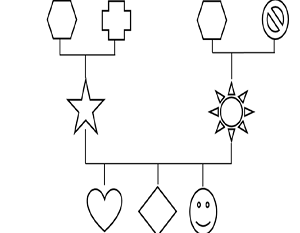
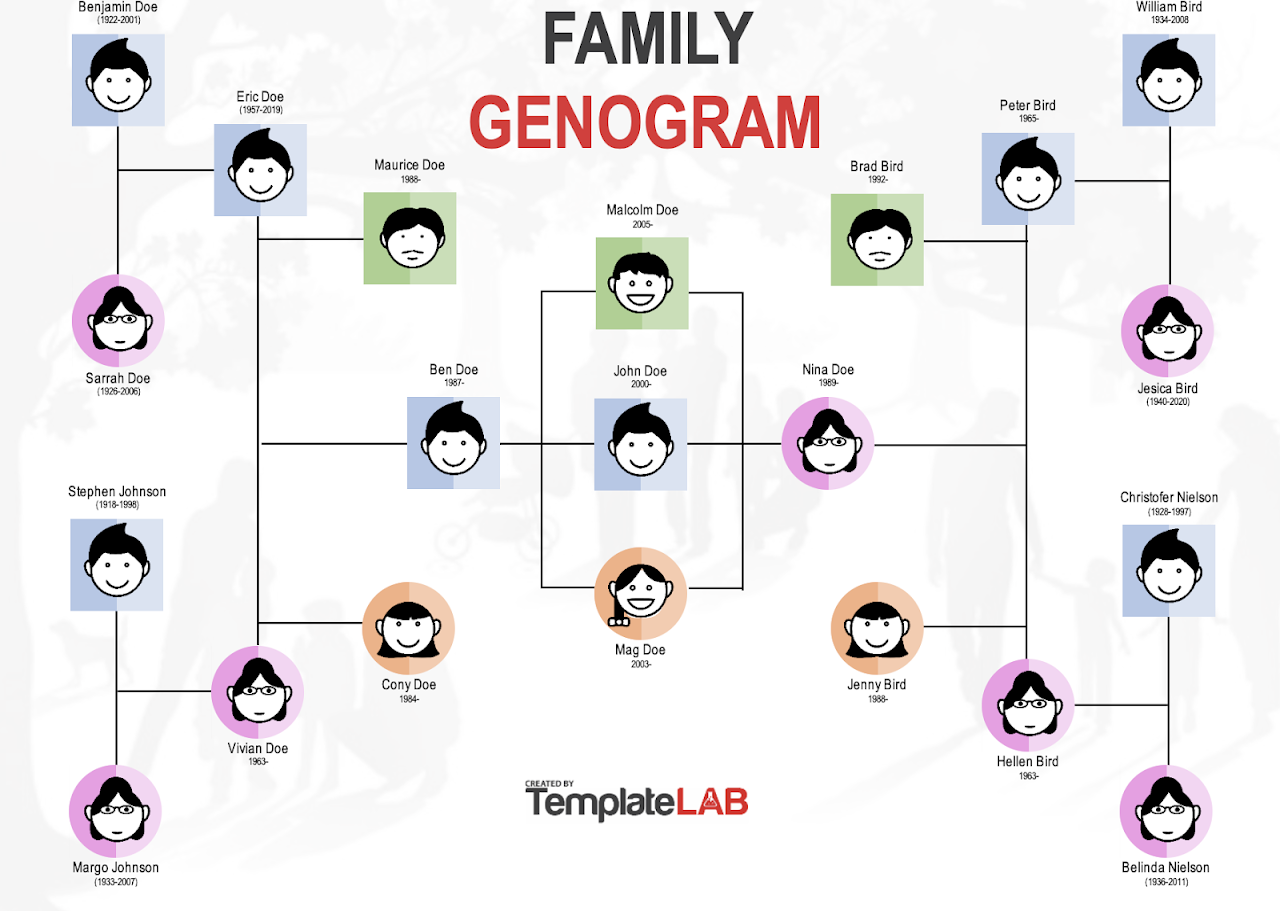
A genogram is a simple tool that can be used to see how a family is made up. It helps you think through all the people in your family. It is like making a family tree. Psalms 78 vs 4 says, “ 4 We will not hide them from their descendants; we will tell the next generation the praiseworthy deeds of the Lord, his power, and the wonders he has done.” Living cross-culturally often means we sometimes are less connected to our family members. This activity helps each of us see who we are connected to.
Before starting the genogram we need to involve the whole family. The following questions can be used to help you in this:
- Ask them how a big piece of paper they will need (A4, A3).
- Where do they want to start – with themselves, their parents etc.? Do they want help to get started?
- Do they want to include pets, friends etc.?
- Ask each family member if they want to draw it out or paste shapes and objects?
Squares and circles are traditional shapes used in genograms where squares are men and circles are women. You can see an example below. However, kids may want to pick out shapes, pictures or drawings for each person. They can then either copy them or cut them out and glue them to their paper. Teens may want to map out their family, including their grandparents, great-grandparents, aunts, uncles, and cousins. Then, each person can draw or discuss their relationship with each relative. Invite them to create a line or picture representing the connection with each family member. There is no right or wrong answer since everyone will have different experiences with family members. When everyone is finished, talk about each person’s drawings and ask who they would like to be closer to. End by praying for the family members
ads
Family Shield

Looking at Family Strengths
Activity 2: Family Strengths
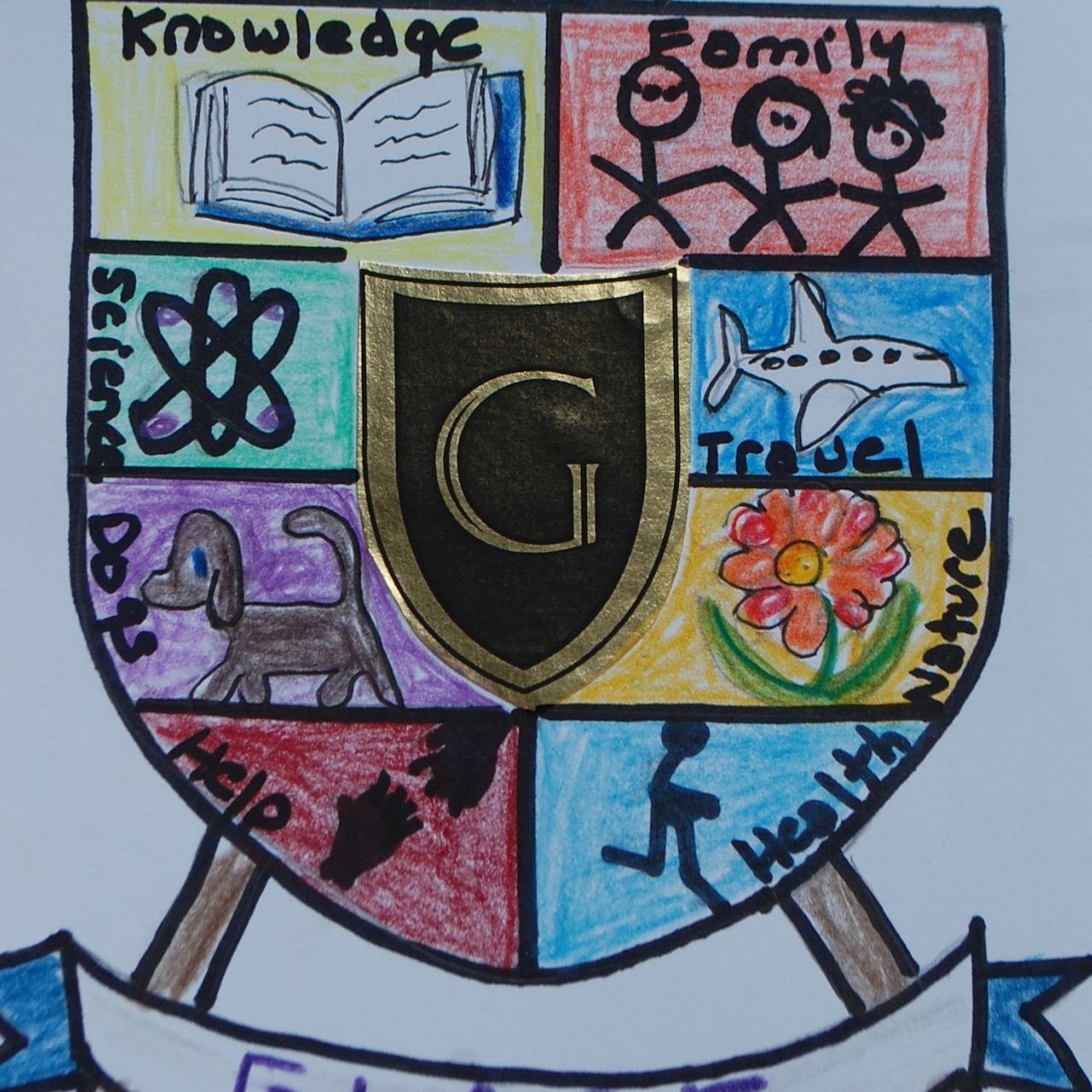
Centuries ago, family crests or coat of arms were used much like a company logo to identify different royal families in countries all over the world. As time went on, every family, not just royal families, began to use crests to mark their property and distinguish themselves from others. Using unique symbols and colors, crests are still used today by many colleges and universities as well as armed forces.
Creating a family crest at home can be a fun and meaningful way for family members to identify what makes their family unique. Often times, a shield is used as the base layer for the other symbols to be placed on, but you can use any shape (circle, triangle, square, etc.) as a foundation. Depending on children’s ages, this activity can range from very basic to elaborate. However elaborate you choose to make it, this activity promotes teamwork, sharing, and communication, to help draw your family closer together. (Taken from FOCUS)
You can print out a template or use this pdf to get more information about how to structure the family crest. You can decide to do one together as a family or for each child to do one that best represents how they see their families. Each color or object represents different aspects of a strength of a family. Here is a glossary of terms:https://www.heraldryandcrests.com/pages/heraldic-symbolism-a-

Family Closing Activities
The Worry Box
Most people feel anxious about things they can’t control and things they are afraid may happen in the future. It helps to talk about our worries with each other.
- Find a box or large jar.
- Family members should sit around a table if possible.
- Each member of the family should say one or more things they feel worried about.
- Put a stack of small pieces of paper or notecards in the middle of the table.
- Everyone should write one thing that they are worried about on each piece of paper (young children can draw a picture) and put papers in the box (or jar).
- Set the box aside. Assure children that you will do something with these worries in the next lesson.
- Remind everyone that they can always add more worries to the box anytime they feel like it. Put paper and a pencil next to the box wherever you decide to place it.
Goal Setting
Step 1: Get everyone involved
It is important that when you look at making changes, each member of the family is involved. There may be some goals that are for specific people “John wants to get up between 7:30-7:45 every school day” or for the whole family “Our family will all sit down at the dinner table 2 times a week”. Invite each person to participate in the creation of their own goals and towards family goals. Sometimes the whole family may make a goal even though it is primarily helping one individual.
Step 2: Set S.M.A.R.T. Goals
When setting family goals, it’s essential to make sure they’re S.M.A.R.T. goals. This stands for Specific, Measurable, Achievable, Relevant, and Timely. In other words, your goals should be clear, attainable, and have a timeline. This will help to keep you and your family on track. Also, don’t be afraid to adjust your goals as needed. Life happens, and things change!
Step 3: Accountability
Work together on each other so the family can hold each other accountable and talk about what that accountability will look like. For example, “If someone misses out on family dinner, then the whole family has to do 5 push-ups together” or “If anyone argues about technology time being over then everyone loses time that day”.
Step 4: Write Them Down
Make sure each goal is documented and will be placed somewhere prominently in the house. It may need to be posted on the refrigerator or the bathroom mirror. Change takes time and energy so make sure that what is posted is something that there is time and space to do and/or reinforce.
Step 5: Celebrate
Each successful completion of a goal even for a day deserves celebration. Build in how you will celebrate each phase of your goal. For example, “When we have dinner together we will celebrate by 10 seconds of clapping” or “When we have a month of having dinner together twice a week we will go out for ice cream”.

 Guide for Cross-Cultural Workers